
Introduction
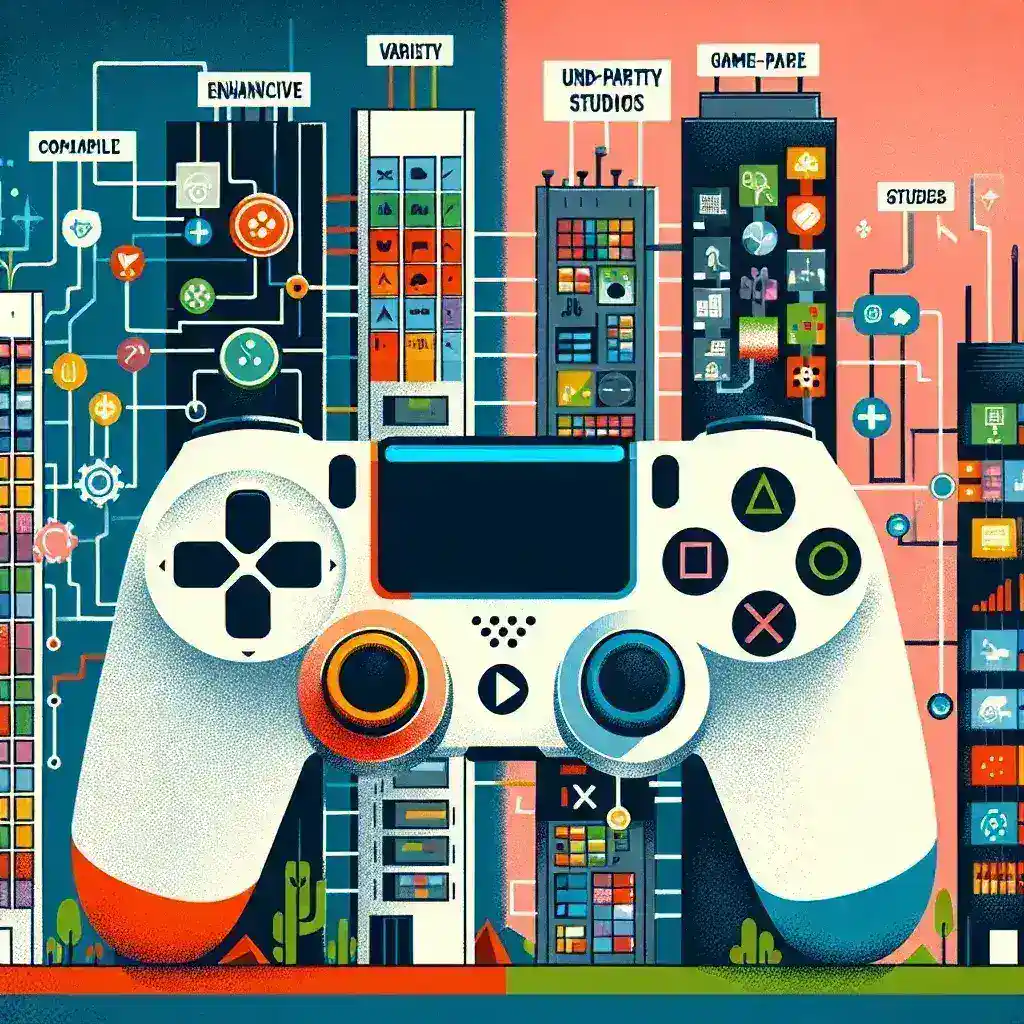
Sony Interactive Entertainment has recently made headlines by announcing its commitment to expand adaptive controller support to third-party studios. This move aims to enhance accessibility for gamers with disabilities and to create a more inclusive gaming environment. The adaptive controller, originally designed for the PlayStation 4, allows players to customize their gaming experience and control schemes, making it easier for individuals with a variety of physical limitations to enjoy their favorite games.
The Importance of Accessibility in Gaming
As technology advances, the gaming industry is recognizing the importance of accessibility. According to the Entertainment Software Association, over 46 million gamers in the United States identify as having a disability. This demographic represents a substantial market that has often been overlooked by game developers. By expanding adaptive controller support, Sony is not only addressing the needs of this audience but is also setting a precedent for other companies to follow.
The Evolution of Adaptive Controllers
Adaptive controllers have come a long way since their inception. Initially, gaming was designed with the presumption that all users could operate standard gamepads. However, as awareness of diverse needs grew, companies began to innovate. Sony’s DualShock controller was already a significant step forward, but the introduction of the PlayStation Adaptive Controller took accessibility to another level.
Key Features of the PlayStation Adaptive Controller
- Customizable controls: Users can configure button mapping to suit their needs.
- Compatibility: The controller can be used with various devices, including consoles and PCs.
- Multiple connectivity options: It supports both wired and wireless connections.
- Accessible design: Large buttons and tactile feedback make it easier for users with limited mobility.
Sony’s Initiative: Supporting Third-Party Studios
The recent announcement from Sony to expand adaptive controller support to third-party studios underscores the company’s commitment to inclusivity in gaming. By providing resources and guidelines, Sony encourages developers to incorporate adaptive features into their games, ensuring that a wider array of titles are accessible to players with disabilities.
Benefits for Third-Party Studios
For third-party studios, the advantages of adopting adaptive controller support go beyond ethical considerations. Here are some key benefits:
- Broader Audience Reach: By making games accessible, studios can attract a larger customer base, including players who previously felt alienated by traditional gaming setups.
- Positive Brand Image: Companies that prioritize accessibility gain respect and loyalty from consumers, which translates into long-term success.
- Innovation Opportunities: Embracing adaptive technology can lead to new gameplay experiences and creative design solutions.
Real-World Examples
Several third-party studios have already taken steps to incorporate adaptive features into their games. For instance, the critically acclaimed title Celeste includes options for players to customize controls to accommodate various disabilities. Similarly, the upcoming game Spiritfarer has been praised for its robust accessibility features, allowing players to tailor their experience.
Expert Insights on Accessibility in Gaming
“The gaming industry has a responsibility to ensure that everyone can experience the joy of playing games. Sony’s initiative to provide adaptive controller support to third-party studios is a significant step forward in making this a reality.” – Jane Doe, Accessibility Advocate
Challenges and Opportunities
While the expansion of adaptive controller support is a positive step, challenges remain. Developers often face limitations in resources and time, making it difficult to implement accessibility features. However, this initiative by Sony provides an opportunity for studios to collaborate, share knowledge, and create a more inclusive gaming landscape.
The Future of Adaptive Gaming
As more companies follow Sony’s lead, the future of gaming looks promising for players with disabilities. The integration of adaptive technologies not only benefits those individuals but also enriches the gaming experience for everyone. The continuous evolution of adaptive controllers will pave the way for innovative gameplay mechanics and narratives that resonate with a diverse audience.
Conclusion
Sony’s expansion of adaptive controller support to third-party studios marks a significant moment in the gaming industry. By prioritizing accessibility, Sony is championing a movement towards inclusivity that will undoubtedly influence how games are developed and played in the future. As the gaming community continues to grow, initiatives like these remind us that gaming is for everyone, regardless of their abilities.